A nonprofit organization in New York City has become the subject of controversy after an undercover video alleged that its director advised a person claiming to be a non-citizen on how to vote in the city’s mayoral election. While the footage has raised serious questions, several aspects of the incident remain unverified, and no official findings have been released by election authorities.
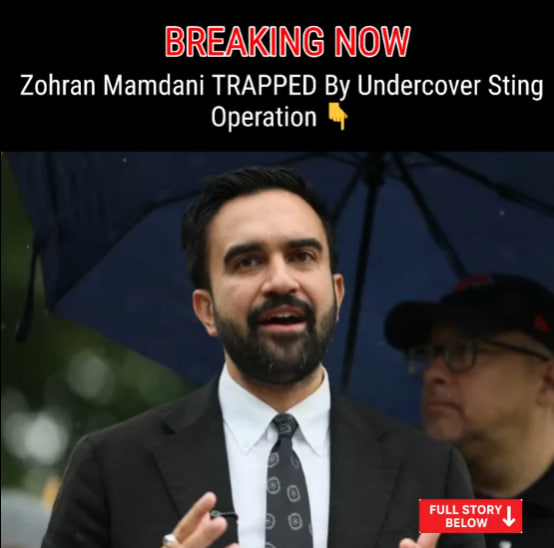
The Undercover Video and Its Claims
O’Keefe Media Group (OMG), an investigative outlet known for undercover recordings, published a video showing a conversation between Pedro Rodriguez, the director of La Jornada, and a journalist posing as an immigrant who was not registered to vote. In the footage, the undercover reporter asks how to cast a ballot and hints at wanting guidance on whom to vote for. Rodriguez appears to explain how the individual might vote despite stating they were not a registered voter or a U.S. citizen. At one point, he mentions that the candidate’s name starts with “M,” which many viewers interpreted as referring to Zohran Mamdani, who was a mayoral candidate.
Legal Context
Under New York law, only U.S. citizens may vote in municipal elections, and assisting a non-citizen to vote would violate state election rules. Additionally, La Jornada is a 501(c)(3) nonprofit organization, meaning it is prohibited from engaging in political campaigning, including endorsing candidates. If the claims made in the video are accurate, the situation could represent both election law violations and a breach of nonprofit regulations.
Response From La Jornada
When confronted by OMG after the video’s release, Rodriguez denied advising anyone to vote for Mamdani or encouraging unlawful voting. He stated that he did not recall giving explicit instructions to support any particular candidate and disputed the interpretation that he was encouraging a non-citizen to vote. This contradiction between the video and Rodriguez’s later comments has fueled debate about context, intent, and whether the conversation was interpreted fairly.
Verification and Existing Evidence
Independent fact-checking groups have reviewed the footage and surrounding claims. The following points summarize what has been confirmed and what remains unclear:
-
The video is real and shows Rodriguez speaking with the undercover journalist.
-
There is no independent evidence that the individual actually went on to vote or that any illegal ballot was cast.
-
New York City election authorities have not reported any official cases of non-citizen voting tied to this incident.
-
Some widely circulated claims on social media — such as suggestions of widespread organized non-citizen voting — originated from satire, memes, or unverified commentary rather than official reports.
Political and Social Implications
The episode touches on broader debates in the United States surrounding immigration, voting rights, and election integrity. Critics argue that even isolated cases of improper advice about voting undermine trust in the electoral system. Supporters of immigrant-focused nonprofits counter that the video may have been selectively edited or taken out of context to discredit organizations working with vulnerable communities.
La Jornada, known for assisting immigrants with paperwork and legal consultations, operates in a sensitive space where misunderstandings can easily arise. Some believe the video may have been part of an effort to cast the organization in a negative light. Others say that even the appearance of advising unauthorized voting is serious and warrants formal review.
Conclusion
-
Verified: The conversation in the video took place, and Rodriguez appeared to give general guidance related to voting.
-
Unverified: There is no evidence that illegal votes were cast or that the election outcome was affected.
-
Significance: The event raises questions about nonprofit conduct, election rules, and how undercover investigations affect public perception.
At present, the video serves more as a prompt for further inquiry than definitive proof of election fraud. Any conclusion will depend on formal investigations, if pursued, by relevant election or law enforcement agencies.